Soil Erosion Bottle top
Wednesday, May 18, 2022 4:37 AMMethod description: Bottle tops
Several bottle tops are pushed into the surface of the soil in areas vulnerable to erosion. The bottle top protects the soil underneath so that, when the surrounding soil erodes, the soil underneath the top will remain and form a pillar. This method is recommended when all the other options are not possible to be pursued. Also, the bottle top method should only be applied to estimate sheet erosion, and before erosion has taken place as well as away from traffic areas.
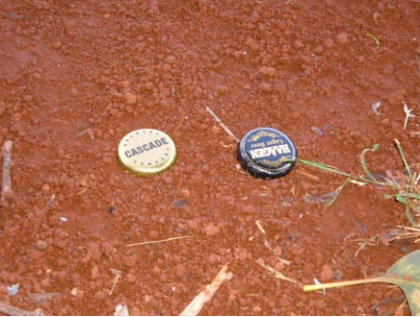
Figure 1 Bottle tops pushed into the soil at the start of monitoring. Source: Government of New South Wales, Department of Primary Industries
Sampling design
Bottle tops are installed in square grids according to the figure below. A rebar benchmark can be installed on one of the square edges as reference point and the location of the benchmark estimated with GPS.

Figure 2 Diagram of bottle tops setup
For an area of one hectare, it is recommended to install at least ten square grids.
Quantification method to assess soil erosion
Measurements of the pillar heights are to be made every 3- months or after erosive or aggressive rainfall event (mm/3-months, or mm/ year, or mm/ 3-years).
Practitioner measures the height of the pillar underneath the bottle tops using a digital depth gauge or metal ruler. Relations are then empirically derived to quantify annual erosion rates.
Main costs
Main costs are provided in the table below.
Table 1. Main costs to estimate sheet erosion using the bottle top method
| Supply | Cost per unit (USD) | Cost to survey 1 ha (USD) |
|---|---|---|
| Bottle top | 0.10 | 24.00 |
| 50-cm metal ruler | 5.00 | 5.00 |
| Digital depth gauge (high precision) | 20.00 | 20.00 |
| TOTAL | 25.10 | 49.00 |
Preparation for a field day
The basic for steps to prepare for a field day to survey bottle tops.
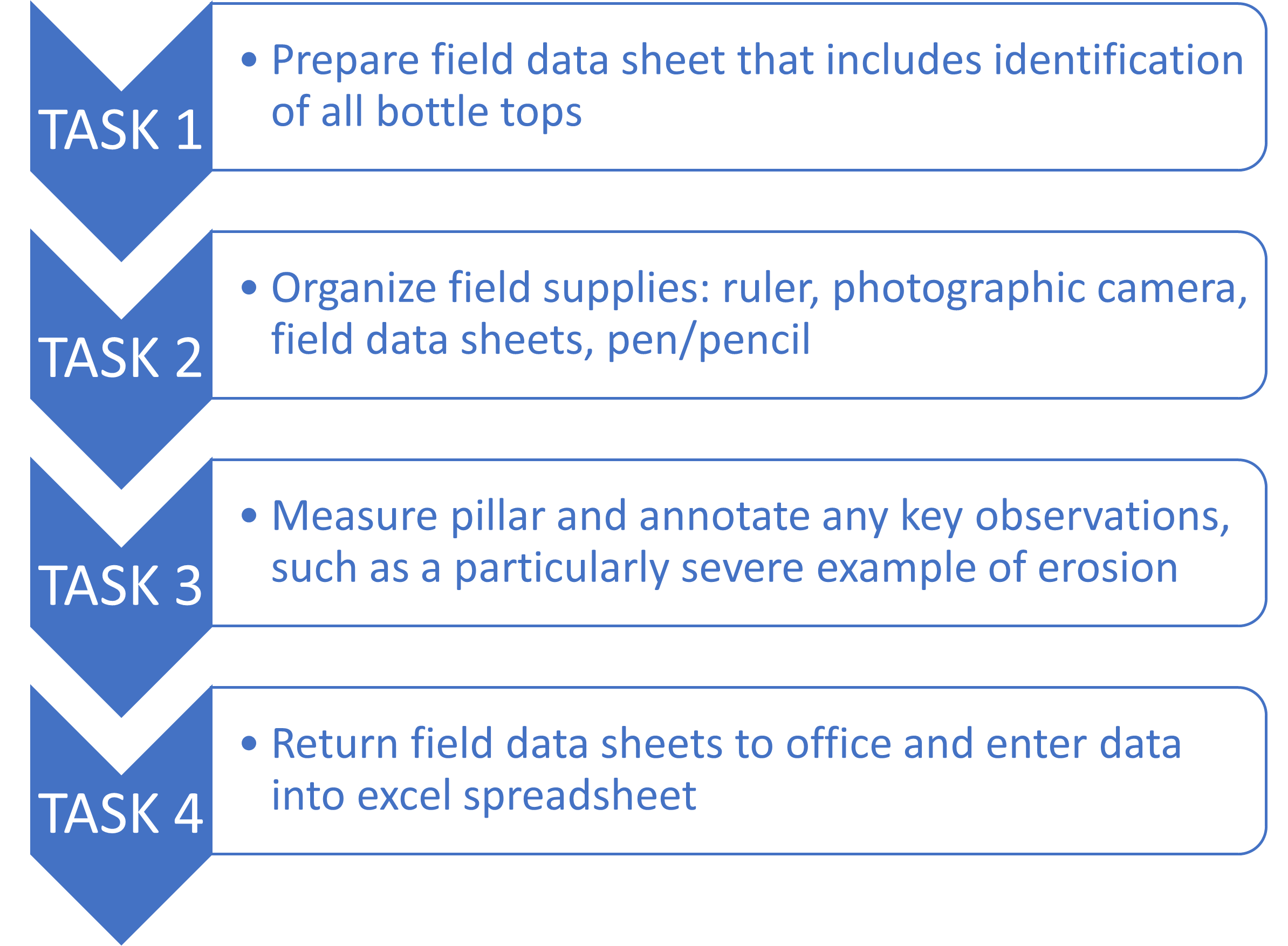
Figure 4 Basic tasks for a successful field day to characterize sheet erosion using the bottle top method