Soil Erosion Pathway of Change
Wednesday, May 18, 2022 4:31 AMSince erosion is a natural process, it cannot be prevented. Therefore, the aim of the pathway of change for soil erosion is to reduce erosion to a maximum acceptable level or soil loss tolerance. In other words, soil erosion rates should be at a level at which the maximum sustainable level of agricultural production, grazing or recreational activity can be obtained from an area of land without unacceptable environmental damage.
The pathway of change for soil erosion requires determining what level of soil loss tolerance is acceptable. An example of workable criteria is described below. For most purposes, soil tolerance would be set to equate with the upper limits of damage classes 1, 2 or 3 since the damage is unacceptable at higher levels.
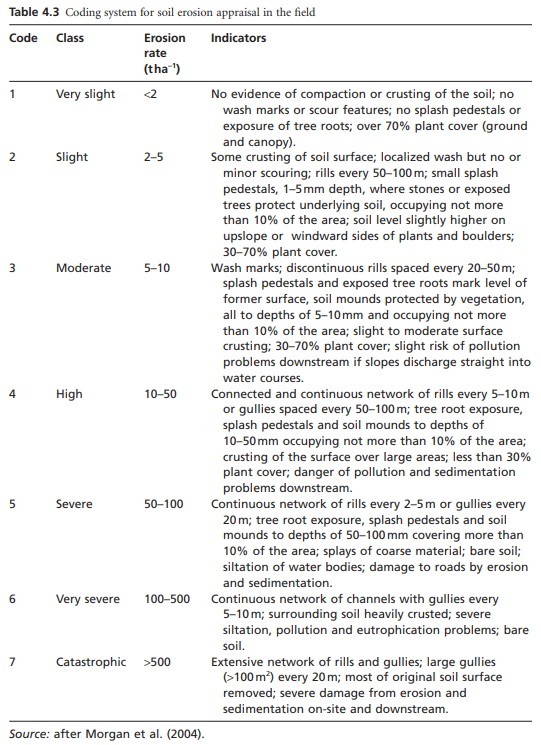 Figure 1 Coding system for soil erosion appraisal in the field. Source Morgan 2005
The strategies for soil conservation must be based on: covering the soil to protect it from raindrop impact; increasing the infiltration capacity of the soil to reduce runoff; improving the aggregate stability of the soil; and increasing surface roughness to reduce the velocity of runoff and wind.
On cultivated lands, a risk of erosion exists from the moment native trees, bushes and grasses are removed. Erosion is exacerbated by attempting for example to farm slopes that are too steep, cultivating up-and-down hill, continuous use of the land for the same crop without fallow or rotation, and compaction of the soil through the use of heavy machinery. Least protection of the soil is afforded by crops grown in rows, tall tree crops and low-growing crops with large leaves. Because of the high relevance of agricultural practices in contributing to exacerbated soil erosion, the soil conservation strategies can be classified as:
- Agronomic measures: utilize the role of vegetation to protect the soil against erosion. Soil management is concerned with ways of preparing the soil to promote plant growth and improve its structure so that it is more resistant to erosion.
- Mechanical or physical methods: often involve engineering structures, depend on manipulating the surface topography to control the flow of water and air.
The figure below provides examples on specific conservation techniques that can be used in cultivated lands.
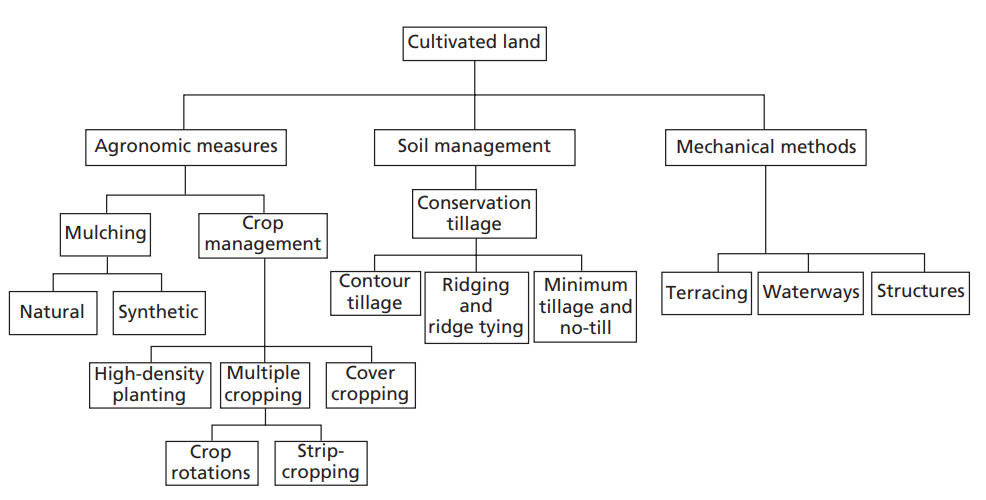 Figure 2 Soil conservation measures for cultivated lands. Source Morgan 2005
The table below provides examples on the effectiveness of different techniques in controlling the three phases of soil erosion.
Table 1. Effect of various soil conservation techniques on the detachment and transport phases of soil erosion
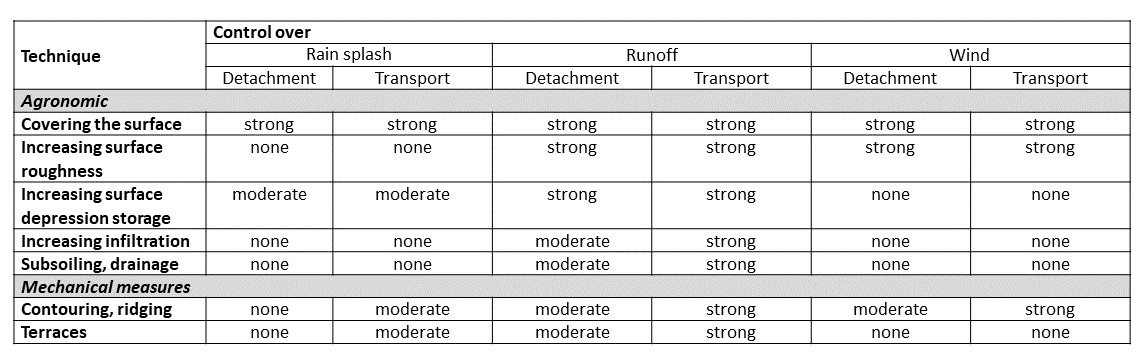 Source: Morgan 2005
The ability of farmers to adopt soil conservation measures will depend on their access to all appropriate resources. It is pointless designing a soil conservation program that requires levels of input to which the targeted farmers have no access. However, it should be recognized that many farmers use their own initiative, technical skills, and labor to develop soil conservation measures where they benefit from so doing.
Forests provide excellent protection of the topsoil against erosion. They maintain high rates of evapotranspiration, interception and infiltration and therefore generate only small quantities of runoff. Low runoff rates and the protective role of the litter layer on the surface of the soil produce low erosion rates. Increases in erosion occur where the land is permanently or, in the case of shifting agriculture, temporarily cleared for agriculture.
However, landscapes where forest cover remains largely intact can be also subject to excess erosion through, for example: cropping of trees for firewood; destruction of the trees and surrounding shrub and ground cover by grazing; and logging operations. Livestock grazing is particularly detrimental to the survival of forests. The animals trample and compact the soil, injure roots close to the surface and browse on the tree seedlings. Overgrazing and stripping of the bark from the trees has prevented the regeneration of the forest. The main erosion problems in logged areas are associated with skid trails and roads, which are frequently areas of bare compacted soil. The figure below provides examples on specific conservation techniques that can be used in non-cultivated lands.
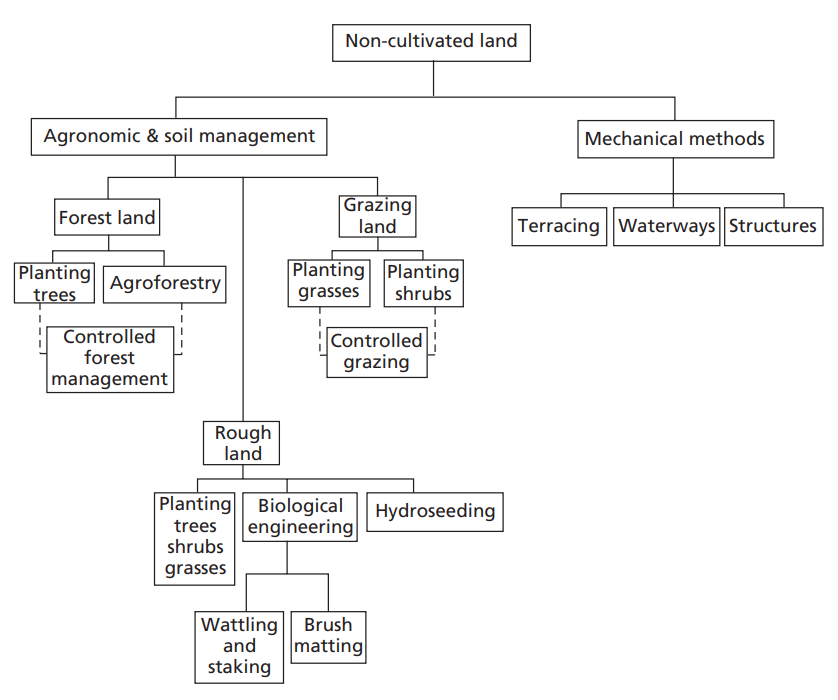 Figure 3 Soil erosion measures for non-cultivated lands. Source Morgan 2005
It is possible to infer from what has been previously presented that the pathway of change for soil erosion can be highly variable. It depends on the type of erosion, soil type, erosion control measure, land use, edaphoclimatic characteristics, agronomic practices, terrain slope, and landowner capacity to adopt practices, and the scale at which practices are implemented. Therefore, estimating how long it may take to see reductions in soil erosion is not advisable. What is highlighted in the pathway of change, instead, are the key variables for which changes can signal a positive or negative trend towards controlling erosion.
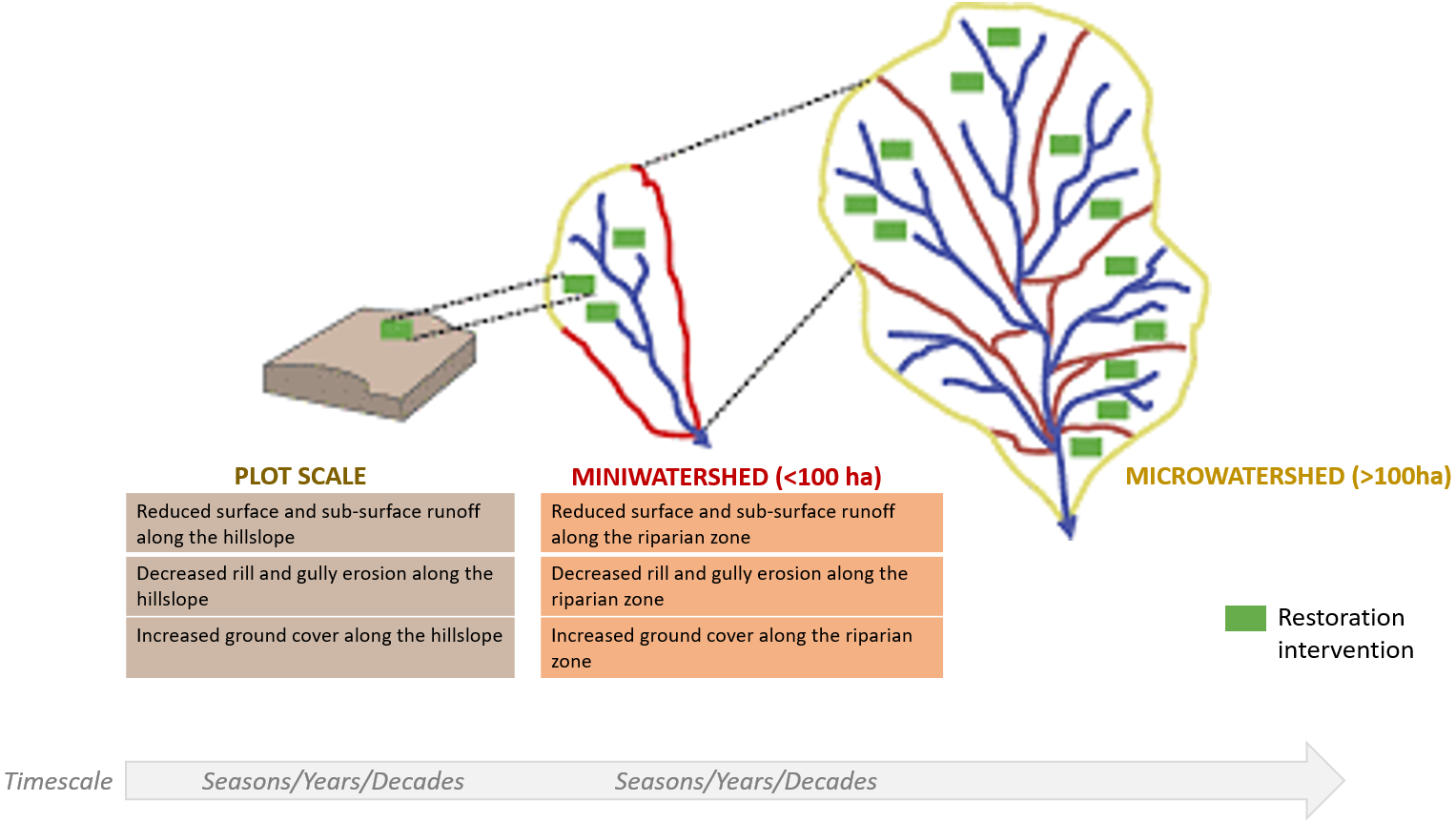 Figure 4 Pathway of change for soil erosion