Water Quality Bank P concentrations
Wednesday, May 18, 2022 6:03 AMMethod description: Stream bank phosphorus concentrations
Stream bank phosphorus concentrations can be determined by collecting soil samples vertically along the stream bank profile. Sample are collected by scraping off the surface sediment and collecting a sample using an auger or a hand trowel (where the sediments were too hard to auger). All samples are placed in sterile Ziploc bags and put on ice until they were brought back to the lab. Samples are analyzed to quantify total phosphorus and bioavailable phosphorus.
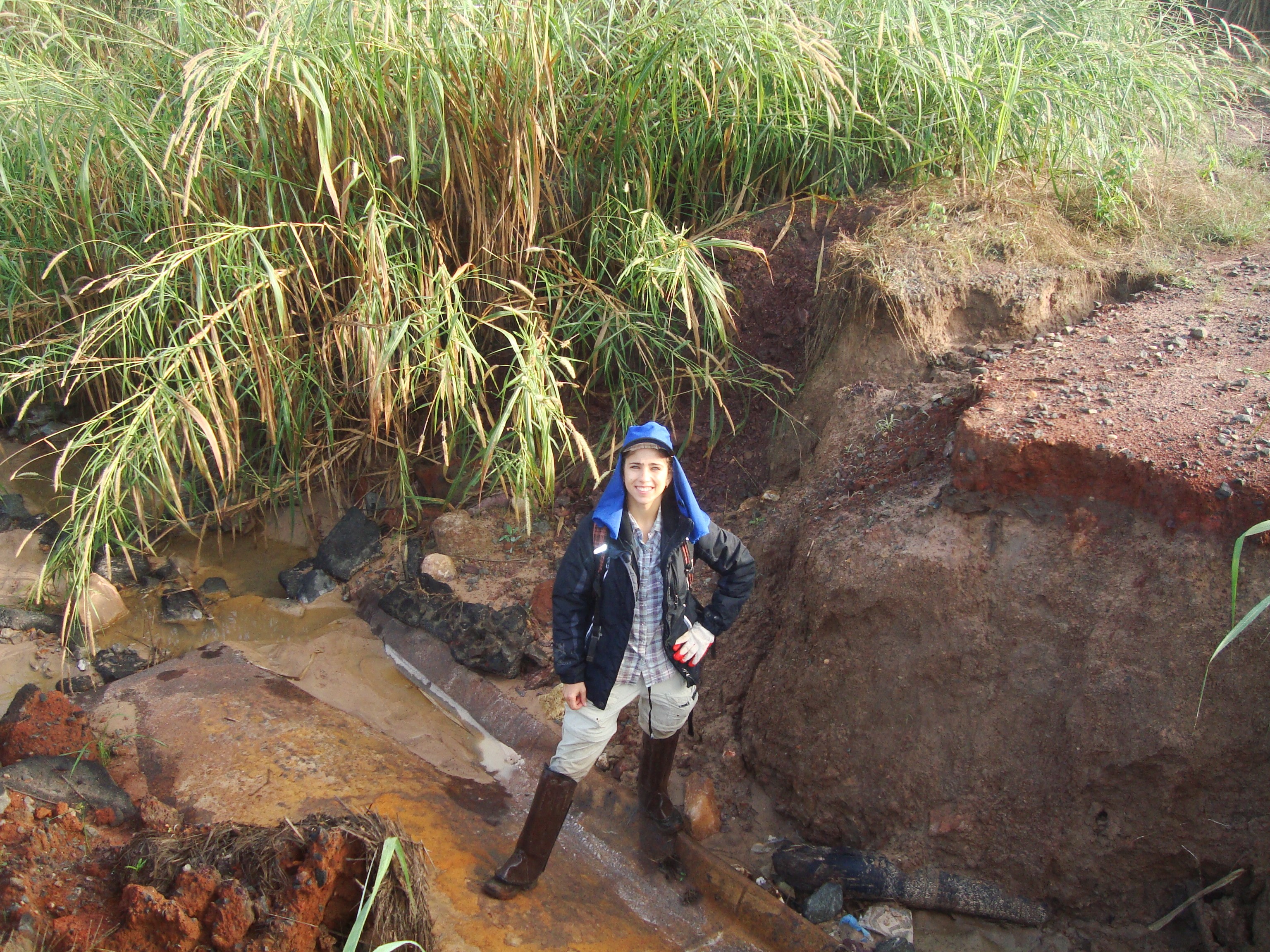
Figure 1 Scientist Maira Bezerra next to a streambank © Maira Ometto Bezerra
Sampling design
The monitoring objectives and the intervention type and configuration will determine the approximate location of sampling sites. Site-specific characteristics must also be considered to ensure a successful project. Physical constraints of a site, the time required to reach the location, legal and physical access to a site and safety issues must be considered when making site selections.
As a rule of thumb 3 streambank profiles should be sampled per stream and streambank samples are collected for multiple depths. When present, streambank profiles with evident erosional features, e.g., gullies or active incision, should be the focal sampling sites as these features indicate where soil erosion is active and being source of sediments to streams.
Quantification methods
Streambank soil samples are analyzed for total phosphorus using the EPA Method 3051a and for bioavailable phosphorus using the Mehlich-3 method.
Field samples can be sent directly to specialized laboratories. Some labs may require or charge for sample pre-processing. If interested in doing yourself, samples are prepared by grounding with a mortar and pestle and sieved through a 2-mm mesh to remove small rocks and organic matter. Ideally, samples are partitioned with a sieved into coarse (>63 µm) and fine (<63 µm) fractions using, e.g., an RX-29 RoTap® sieve shaker, so that P is determined in coarse and fine sediments.
A complementary analysis that is useful to interpret P data include determining the percent sand, silt, and clay for the samples. The same lab that can quantify P in soil samples do this analysis.
Main costs
The table below provides information on costs associated with characterizing P in soil samples by the UC Davis Analytical Lab (on May 2 2022). Using these costs, the total cost for analyzing one stream, considering three streambank profiles and five samples per profile (i.e., 15 samples), would be US$ 1755.
| US$ cost per sample | |
|---|---|
| Soil preparation | 9.00 |
| Particle size (sand/silt/clay) | 51.00 |
| Total P (acid digestion) | 33.00 |
| Bioavailable P (extractable P) | 24.00 |
| TOTAL | 117.00 |
Preparation for a field day
The basic for steps to prepare for a field day is detailed in the figure below.
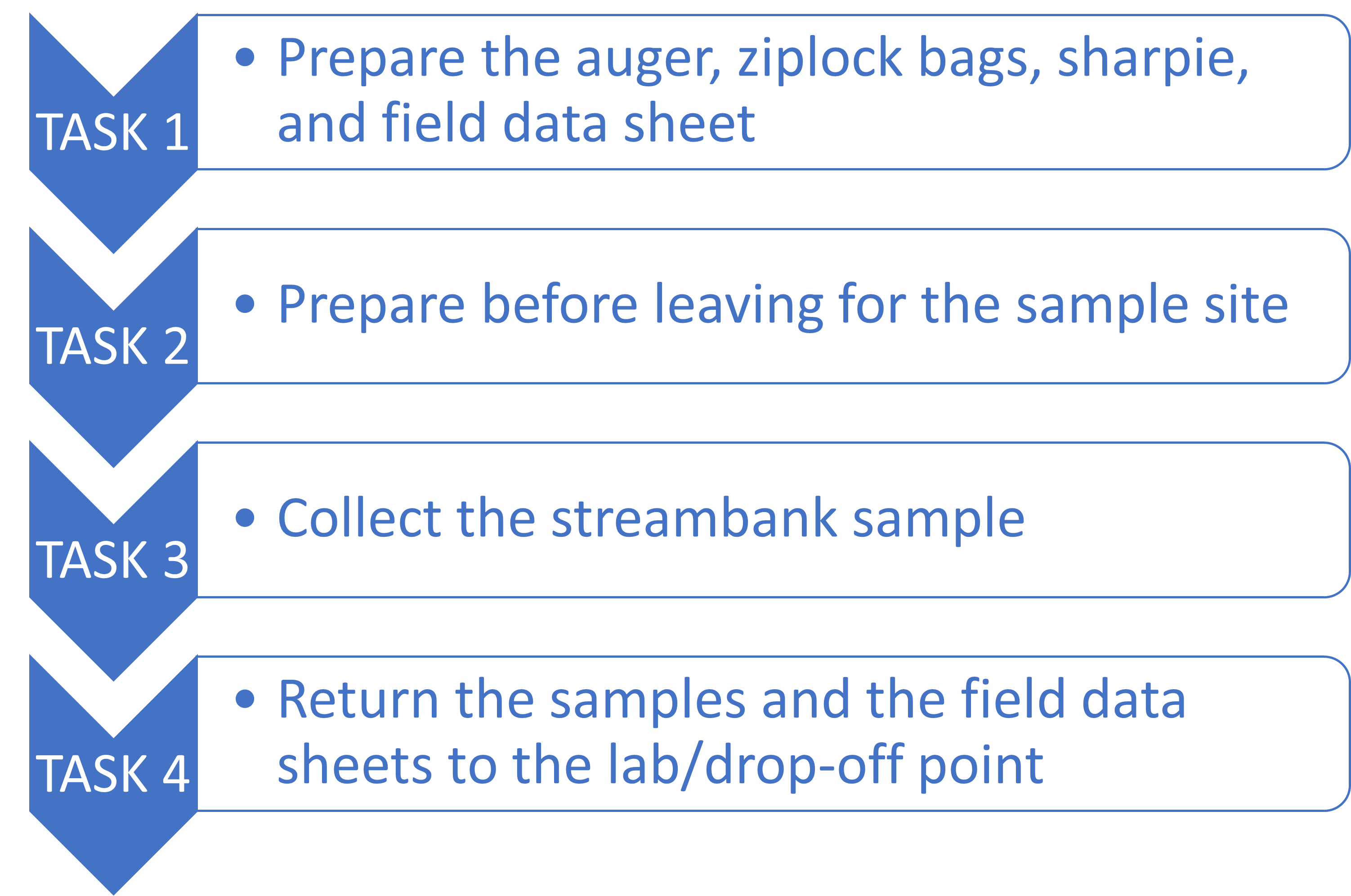
Figure 2 Basic tasks for a successful field day to characterize water quality